Method ledger / 03 · Smoking
Smoke, Shelter and Season
A smokehouse is a record of fuel, shelter and human attention—not just a source of flavour.
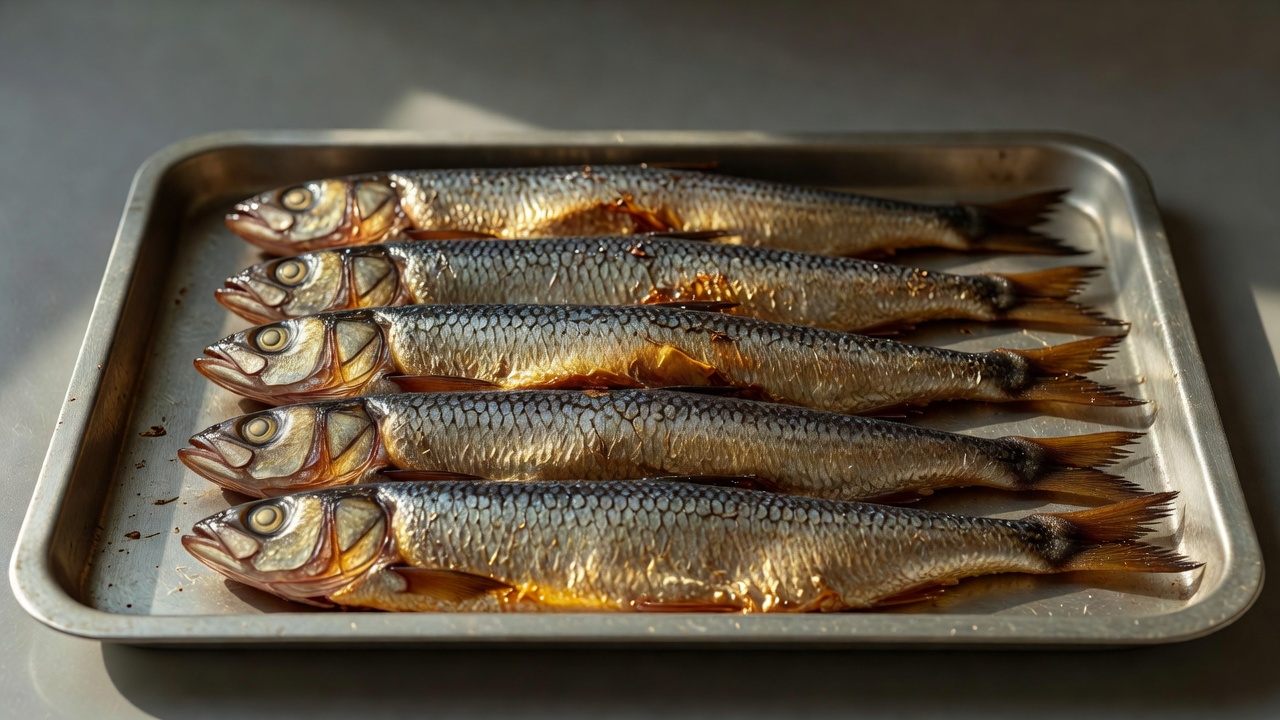
Smoke is one of the most recognisable sensory signatures of preserved seafood. It can announce a food before the plate is visible. Yet flavour is only one part of the historical account. Smoking required somewhere to work, a supply of fuel and a way to manage fish around the changing demands of a landing. Its buildings and routines reveal how coastal communities organised material resources as well as meals.
Unlike the open rack, the smokehouse makes shelter immediately visible. Walls, vents and the placement of the fire shape a working environment. Historical equipment varied widely, and contemporary producers use both inherited forms and modern systems. It would be misleading to describe all Nordic smoked fish as the outcome of one regional technique. The broad label contains substantial differences in heat, salting, drying and subsequent storage.
Bornholm’s herring and the visible smokehouse
On the Danish island of Bornholm, smokehouses and smoked herring form a distinctive part of the food landscape. Their recognisable chimneys connect a visitor’s view of architecture with the fish on a plate. Places such as Gudhjem carry this association strongly, but an island tradition should not be mistaken for an unchanged practice shared by every household over every period.
Smoked herring also illustrates how preservation heritage becomes hospitality. A food once tied closely to landing and keeping can become part of a visitor’s meal and an island’s public identity. This does not automatically make the tradition inauthentic. It does mean that the story should include changing customers, working conditions and transport, rather than presenting the present-day smokehouse as a window into a single timeless past.
Finnish settings, varied fish
Finnish fish-smoking traditions extend across coastal and inland settings. Herring, whitefish, salmon and other fish can occupy different local roles. Available species, equipment and household preferences all influence the practice. The familiar image of fish emerging from a small smoker should therefore be read as one setting within a wider food culture, not a national specification.
Fuel contributes to the story, but wood names alone explain little about a finished product. Airflow, heat, handling and the condition of the fish matter too. Historical accounts often foreground the sensory qualities of a preferred fuel because these are memorable and locally meaningful. A safety assessment, however, needs information that a recollection or a museum caption may never have intended to provide.
Hot and cold are not interchangeable
Hot smoking and cold smoking differ in their use of heat and in the resulting character of the fish. Hot smoking commonly produces a cooked texture when the process is properly controlled. Cold smoking does not provide an equivalent cooking step. Neither phrase, standing alone, tells a consumer that a product can safely remain unrefrigerated or that every relevant hazard has been controlled.
Cold-smoked salmon has become internationally familiar, sometimes overshadowing more regionally specific fish. Its delicate texture should not obscure its status as a ready-to-eat product requiring careful production and storage. Current public-health advice may recommend particular precautions for pregnant people, older adults and people with weakened immune systems. Such advice belongs to current authorities, not to inherited claims about the protective power of smoke.
Preservation by several means
Smoking often operates alongside other treatments. Salt may be part of preparation; drying may affect the surface; heat may or may not cook the fish; refrigeration may remain essential after packaging. It is better to imagine a combination of controls than a single smoky barrier. This also helps explain why two products with a similar appearance can have different instructions and shelf lives.
Packaging introduces another layer. Vacuum packing changes the environment around food but is not itself a guarantee of safety or a replacement for refrigeration. A sealed packet is a commercial and technical system with conditions attached. Reading its label is therefore more useful for present-day handling than reasoning from the age of the tradition represented on the packaging.
A working heritage, not a demonstration recipe
For a cultural-history reader, the strongest questions concern relationships. Who supplied the fish and fuel? Was smoking done for household consumption, local sale or a wider market? How did refrigeration change the interval between production and eating? These questions connect a smokehouse to its season and economy without reducing knowledge passed between workers to a simplified set of instructions.
Terms beside the smokehouse
Hot smoking
Smoking involving heat that can cook the fish under a controlled process. The label alone does not establish shelf stability.
Cold smoking
A different process that does not supply the same cooking step. Safe production relies on appropriate controls beyond exposure to smoke.
Ready-to-eat
A product intended to be eaten without a further safety-related cooking step by the consumer; storage and use-by instructions remain important.